Resources
Maintenance tips for Toyota, Honda, Nissan, Subaru, Mazda & Lexus
Simple, shop-tested guidance to help you prevent breakdowns, protect warranties, and keep your Japanese vehicle running at its best.
Start here
The essentials that prevent most costly repairs
If you only focus on a few habits, make them these. They’re the biggest drivers of reliability for Japanese vehicles—especially as mileage climbs.


Seasonal checklist
A quick routine to follow every 3 months
These checks take minutes and can prevent surprise repairs. If anything looks off, we can inspect it with factory-approved tools and clear recommendations.
✔
Under the hood
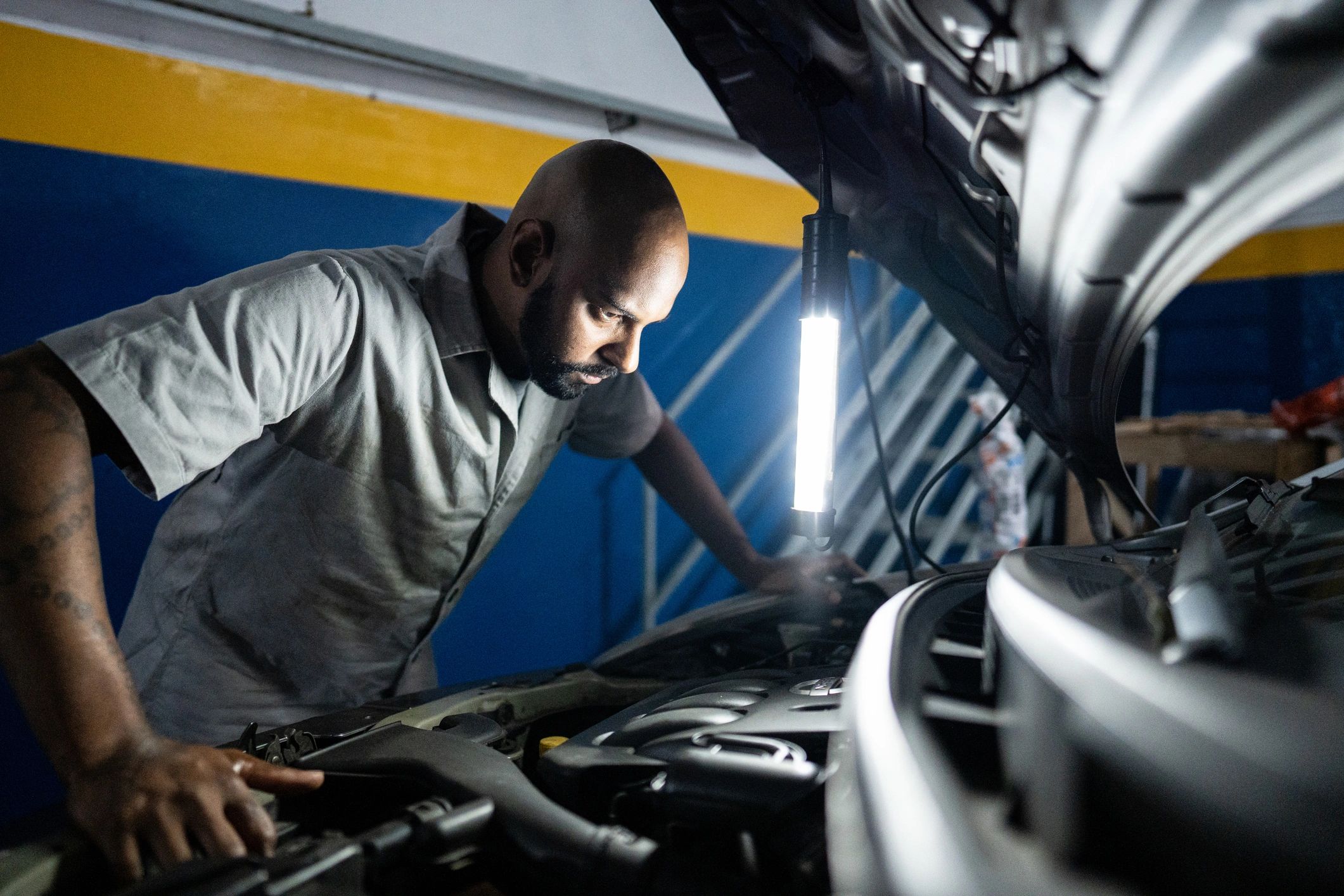
Check oil level/condition, coolant level, and look for leaks or cracked hoses. Listen for new noises at cold start.
✔
Around the car
Check tire pressure (including spare), tread wear, lights, wipers, and battery terminals. Watch for vibration, pulling, or longer stopping distances.
Maintenance FAQs
General guidance for Japanese vehicles. For exact intervals, follow your owner’s manual or ask us to build a maintenance plan for your mileage and driving conditions.
How often should I change my oil?
Most modern Japanese engines do well with 5,000–7,500 miles depending on oil type and driving conditions. Short trips, heavy traffic, and extreme temperatures usually require shorter intervals.
Do I really need OEM parts?
OEM parts help ensure correct fit and performance—especially for sensors, ignition components, and critical engine seals. We’ll recommend OEM when it materially improves reliability.
When should I service my transmission?
Many transmissions benefit from periodic fluid service even if the schedule says “lifetime.” If you tow, drive in stop-and-go traffic, or have higher mileage, proactive service can extend transmission life.
Why does my car pull or vibrate at speed?
Common causes include tire imbalance, alignment issues, worn suspension components, or brake rotor variation. A quick inspection can pinpoint the source before it damages tires or brakes.
What warning lights should I never ignore?
Flashing check-engine light, low oil pressure, overheating, and brake system warnings should be addressed immediately. Continuing to drive can turn a minor issue into major engine or brake damage.
How can I make my brakes last longer?
Maintain proper tire pressure, avoid riding the brakes downhill, and address sticking calipers early. Regular inspections help catch uneven pad wear before it ruins rotors.